
Why PCO Pricing Is Hard to Compare
Every association committee asks the same question before it briefs a professional conference organiser: what will this cost us? The honest answer is that it depends on how the PCO charges, what is included in the fee, and what is simply passed through from the venue and suppliers at cost. Two quotes for the same congress can look very different and still describe the same money.
This guide sets out the three fee models used by PCOs in South Africa, explains what sits inside and outside the fee, and gives concrete benchmarks so your committee can compare proposals on a like-for-like basis.
The Three Ways a PCO Charges
1. Fixed management fee. A single agreed amount for the mandate, usually paid in milestones. It is predictable for the committee, but it assumes the scope is known at signing. Scope changes — an extra workshop day, a second venue, a hybrid stream added late — become change orders.
2. Per-delegate fee. A rate applied to every registered delegate. It scales naturally with the congress and is common for registration-only services, but it can understate the organiser's work on a small, complex scientific meeting and overstate it on a large, simple one.
3. Percentage of congress income. The PCO fee is a fixed proportion of registration, sponsorship and exhibition revenue. The organiser's compensation rises and falls with the congress's performance, which aligns incentives: the PCO earns more only when the association does.
Kaleidoscope Conferences uses the third model. We charge between 15% and 20% of event income. There are no hourly projections, no surprise costs and no fixed-plus-variable permutations — one percentage, agreed up front, applied to the audited income of the congress.
| Fee model | How it is calculated | Best suited to | Watch out for |
|---|---|---|---|
| Fixed management fee | Agreed lump sum, paid in milestones | Well-scoped congresses with a stable programme | Change orders when scope grows |
| Per-delegate fee | Rate × registered delegates | Registration-only mandates | Small, complex scientific meetings |
| Percentage of income | 15–20% of registration, sponsorship and exhibition revenue | Full congress mandates | Ensure the base is defined as audited income |
What Is Fee and What Is Pass-Through Cost?
The PCO's fee is a small part of a congress budget. The majority is cost that the association would carry regardless of who organises the event: the venue hire, catering, audio-visual production, the registration platform, printing, signage, delegate bags, speaker travel. A PCO sources and negotiates these items, but they are paid at cost, and the committee should be able to see every one of them.
This is why we insist on an itemised, open-book budget. Each line shows what the supplier charges, what the association pays, and where the PCO fee sits. Registration fees are member funds and your committee carries fiduciary responsibility for every rand; the budget format should make that responsibility easy to discharge.
When comparing proposals, ask each organiser to separate fee from cost explicitly. A low headline number that bundles both is not cheaper — it is simply harder to audit.
"A low headline number that bundles fee and cost is not cheaper. It is simply harder to audit."
Benchmarks: What Specific Engagements Cost
Not every association needs a full congress mandate. These are the engagement types we quote most often, with indicative ranges.
Full congress mandate (in-person, 300–1,500 delegates). 15–20% of event income, covering venue sourcing and contracting, Cvent registration, abstract and speaker management, sponsorship sales support, AV coordination, on-site staffing and post-event reporting. Typically engaged 12–18 months ahead.
Two-day online course or virtual symposium. Our benchmark is €5,000–6,000 (approximately R100,000–120,000 at current rates), including platform setup, speaker technical rehearsals and managed broadcast across both days. This is the rate at which we have acted as technical partner on the two-day Core Knowledge in Paediatrics (CKP) online course for three consecutive years, contracted by the managing PCO to handle setup, registration, speaker tests and the broadcast across both days.
Registration-only service. Quoted per congress on a per-delegate or fixed basis, covering the Cvent portal, payment processing, CPD attendance tracking, badge printing and on-site check-in. Available to associations and to other PCOs under the client's own brand. See Registration for PCOs →
Hybrid congress. Priced as a full mandate with a production uplift for the online stream, multi-feed AV and unified registration. Usually 6–12 months lead time.
When the Association Has No Seed Capital
A congress needs money before it earns money: venue deposits, platform licences and early marketing all fall due before registration income arrives. Associations without reserves often delay or shrink a congress for this reason alone.
Risk Model Financing addresses that gap. Under this model Kaleidoscope pre-funds the congress, carries the financial risk and retains a share of the surplus as return on that investment. The association contributes no upfront seed capital. In exchange the PCO manages and controls the budget to protect the investment. It is not the right structure for every congress, but for an association with a proven delegate base and no cash reserve it can be the difference between running the event and postponing it.
| Financing model | Capital required from association | PCO compensation | Who carries financial risk |
|---|---|---|---|
| Standard performance fee | Seed capital for deposits | 15–20% of event income | Shared, governed by the committee |
| Risk Model Financing | R0 upfront | Profit share on surplus | PCO pre-funds and carries risk |
How to Get a Quote That Means Something
A PCO cannot price a congress from a one-line email. The variables that move the budget are delegate numbers, number of days and parallel tracks, venue city, whether abstracts and CPD accreditation are in scope, the sponsorship target, and whether an online audience is expected.
Give those six facts and any reputable organiser can return an itemised proposal. We quote after a scoped brief, with every line itemised, and we are currently accepting briefs for congresses from Q2 2027 onwards.
Ready to scope your congress? Plan Your Conference and we will return an itemised proposal, or read our guide to what a PCO actually does first.
Frequently Asked Questions
Click any question below to expand the answer.
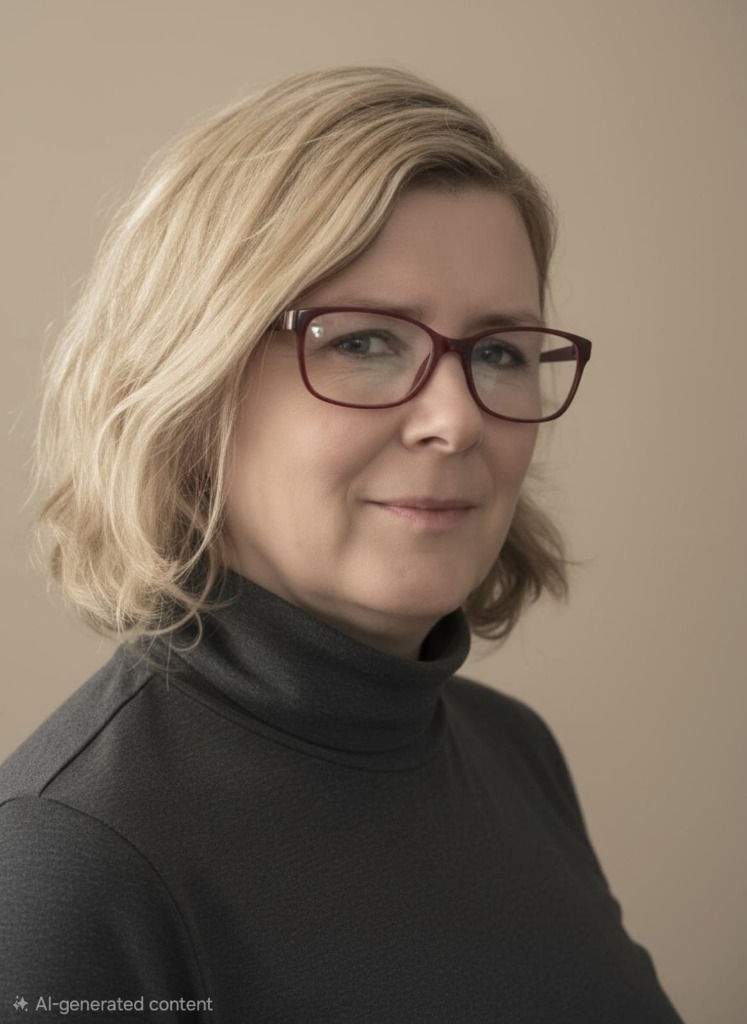
Leanne Baatjies
Managing Director, Kaleidoscope Conferences
10+ years in association event management. Specialist in scientific congresses, medical societies, and professional body governance across Southern Africa and globally.